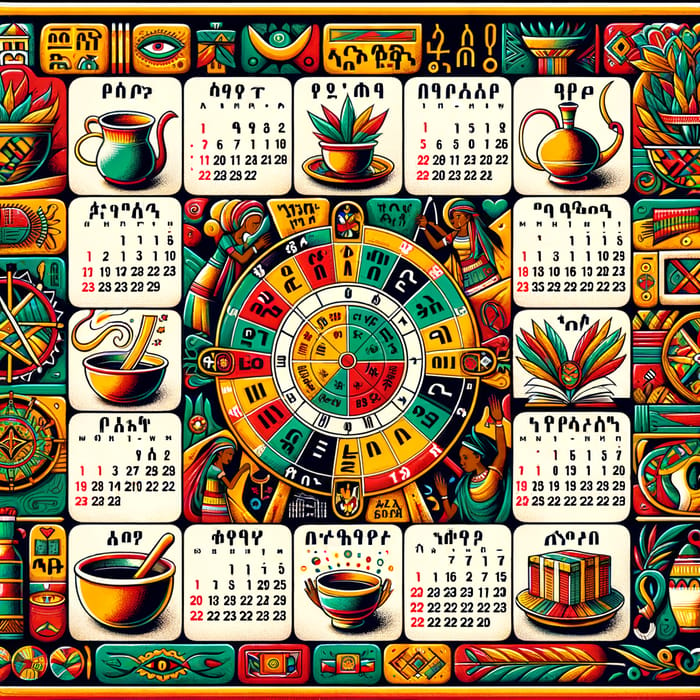
Plan your journey around Ethiopia's vibrant festivals and celebrations
View Full CalendarEthiopia's rich cultural heritage comes alive through these festivals and events
Celebrated on January 7th (Tahsas 29 in Ethiopian calendar), this Orthodox Christian holiday features special church services, particularly spectacular in Lalibela where thousands gather at the rock-hewn churches. Traditional games like genna (hockey-like sport) are played.
Ethiopia's most colorful festival commemorating Jesus' baptism. Features processions with replicas of the Ark of the Covenant (tabots), chanting priests in ceremonial robes, and the blessing of water. Most spectacular in Gondar at Fasilidas' Bath and in Lalibela.
February often hosts various smaller regional or local cultural celebrations across Ethiopia. It's a good time to explore specific community events depending on your travel itinerary.
Commemorates Ethiopia's 1896 victory over Italian forces at the Battle of Adwa. Patriotic celebrations, speeches, and cultural performances throughout the country, especially in Adwa (Tigray) and Addis Ababa.
Orthodox Easter celebrated after 55 days of fasting. Nighttime church services followed by feasting at dawn. Particularly colorful in Lalibela and Gondar where thousands gather in white traditional dress.
Commemorates the 1941 liberation from Italian occupation. Military parades and patriotic celebrations in Addis Ababa and throughout the country.
Celebrates the 1991 overthrow of the Derg regime. Political speeches and cultural events in major cities.
Coming-of-age ritual where young Hamer men must run across the backs of bulls to prove their manhood. Accompanied by traditional singing, dancing, and whipping rituals. Dates vary by village.
The Konso people celebrate their New Year with rituals to honor ancestors, traditional dances, and the erection of generation stones. Dates vary by village.
A vibrant festival primarily celebrated by girls and young women in Tigray, Amhara (e.g., Sekota - 'Shadey'), and Agew regions. Girls dress in traditional white dresses with colorful embroidery, sing, dance, and play drums, going door-to-door. It marks the end of the Filseta (Assumption of Mary) fasting period and celebrates womanhood and cultural heritage.
Orthodox Christian holiday where boys go door-to-door singing hymns and receiving bread (mulmul) in return. Bonfires are lit in neighborhoods, reminiscent of the biblical Mount Tabor's light. Celebrates the transfiguration of Jesus Christ.
Celebrates the New Year (e.g., 2017 in 2024 Gregorian calendar) with singing, dancing, and the exchange of flowers and painted artwork. Special church services and family gatherings mark the occasion, heralding the end of the rainy season and the bloom of yellow daisies (Adey Abeba).
Colorful festival where massive bonfires (demera) are lit to commemorate St. Helena's discovery of the True Cross. Most spectacular at Meskel Square in Addis Ababa with processions of clergy in ceremonial robes, singing, and dancing. It's a UNESCO Intangible Cultural Heritage.
Oromo people's thanksgiving festival at Lake Hora near Bishoftu (Debre Zeit) and other locations, featuring traditional dress, ceremonies to thank Waaqa (God) for the blessings of the past year and pray for the future. Cultural performances and vibrant displays of Oromo culture.
Harvest festival of the Konso people featuring traditional dances, rituals to honor ancestors, and ceremonies to ensure good harvests for the coming year. It's a significant social and cultural event showcasing Konso traditions.
While Ganna (Christmas) is in January, December sees a massive pilgrimage to Kulubi Gebriel (St. Gabriel's Church in Kulubi) twice a year, with one major date usually in December. Thousands of pilgrims travel for blessings and to fulfill vows.
Throughout December, the atmosphere builds for Genna (Ethiopian Christmas). Markets become lively, and many Orthodox Christians observe the Fast of the Prophets (Tsome Nebiyat) leading up to the celebration.
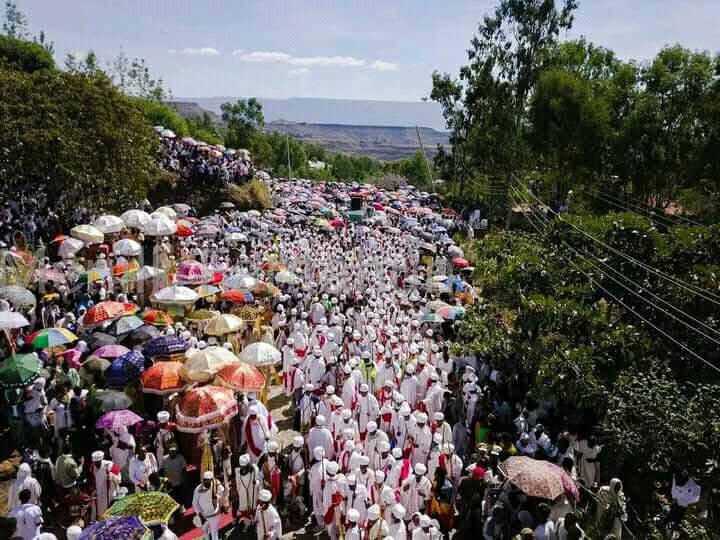
Epiphany in Lalibela is more than a festival—it’s a celestial dance of light, water, and unwavering belief, set against the backdrop of Ethiopia’s miraculous underground churches.
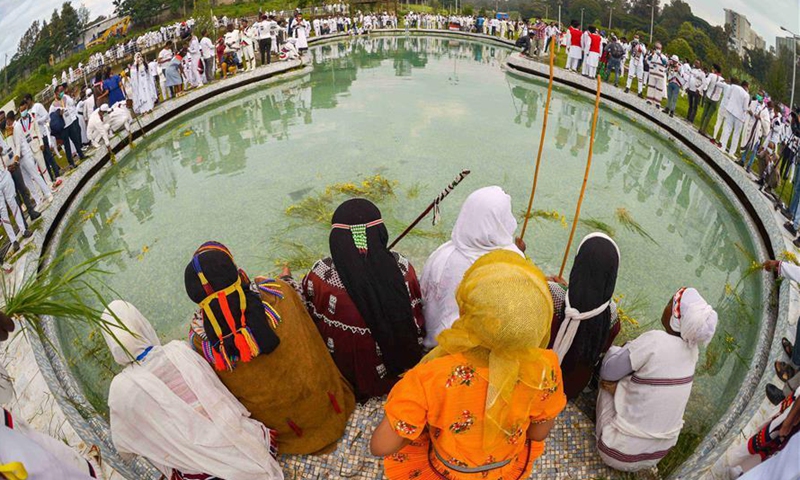
The largest Irreecha celebration takes place at Lake Hora in Bishoftu, with over a million Oromo people gathering in traditional dress for thanksgiving ceremonies.
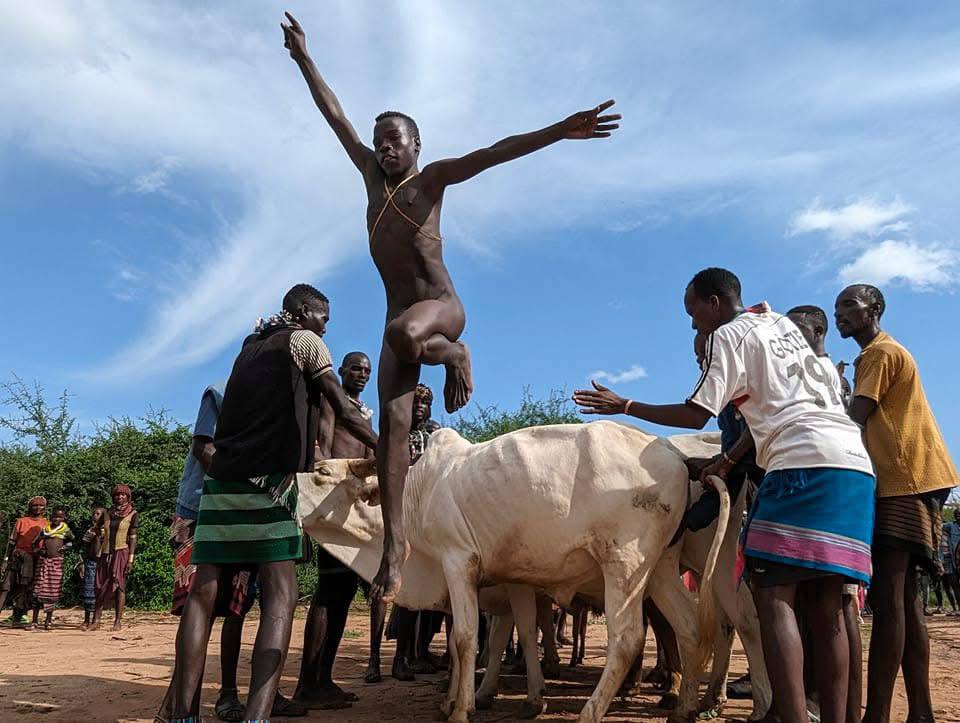
This unique coming-of-age ceremony is best witnessed in Turmi and surrounding villages during the dry season (June-August).
For major festivals like Timkat and Meskel, book accommodations 6-12 months in advance, especially in Lalibela and Gondar.
Always ask permission before photographing people during religious ceremonies. Some festivals may restrict photography at certain times.
Wear modest clothing for religious festivals (covered shoulders and knees). White traditional dress is appropriate for many events.
Follow local customs, remove shoes before entering churches, and avoid interrupting ceremonies. Your guide can advise on appropriate behavior.
Let us create a customized itinerary so you can experience Ethiopia's vibrant festivals at their best.